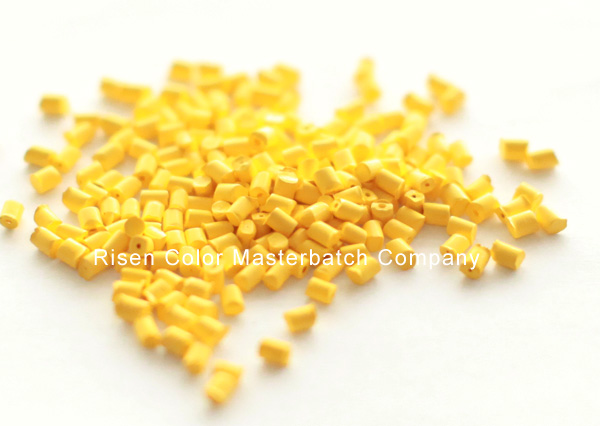
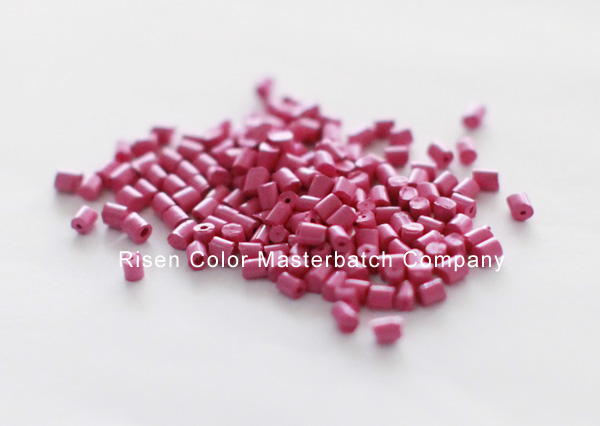
Automotive staple fiber polypropylene fiber masterbatch is a high-performance coloring and functional modification material specially developed for automotive interior materials. Addressing the stringent standards for environmental protection, weather resistance, and processing stability in automotive interiors, this series of products is perfectly compatible with core components such as automotive polypropylene staple fiber, automotive carpets, headliner fabrics, sound insulation filling, and interior non-woven fabrics. The automotive-grade short-fiber polypropylene fiber masterbatch is refined using high-quality carriers and highly weather-resistant pigments, possessing automotive-grade properties such as low odor, low VOC, high temperature resistance, abrasion resistance, and non-yellowing even after long-term exposure to sunlight. It features smooth spinning, no color spots, and stable color fastness, helping companies create high-quality, environmentally friendly, and safe automotive interior spaces.
Core Performance and Characteristics of Automotive-grade staple fiber Polypropylene Fiber Masterbatch:
1. Low Odor, Low VOC, Protecting In-Car Health
Mechanism of Action: Utilizing low-VOC raw materials and advanced degassing technology, the release of volatile organic compounds is strictly controlled.
Product Features: 1. Low odor level, effectively reducing VOC concentration in the vehicle interior, meeting the stringent environmental and health standards of the automotive industry, providing a safe and comfortable in-car environment for passengers.
2. Excellent weather resistance, no yellowing even after long-term exposure to sunlight.
Mechanism of action: Carefully selected highly weather-resistant pigments and UV-resistant additives give the material excellent anti-aging and lightfastness.
Product Features: Excellent high-temperature resistance and abrasion resistance; maintains stable color even under long-term sunlight exposure, without fading or yellowing, effectively extending the service life and appearance quality of interior parts.
3. Smooth spinning, no color spots, stable colorfastness.
Mechanism of action: Pigments undergo ultra-fine dispersion treatment, exhibiting excellent compatibility with polypropylene (PP) substrate.
Product Features: Good fluidity during spinning, preventing web clogging and filament breakage; no color spots or streaks on the fabric surface; uniform coloring, minimal batch-to-batch color difference, and excellent colorfastness.
4. Widely adaptable, meeting diverse interior design needs.
Mechanism of action: Provides customized carriers and formulations to meet the physical performance requirements of different interior components. Product Features: Perfectly compatible with various processes including polypropylene staple fiber, automotive carpets, headliner fabrics, sound insulation filling, and interior non-woven fabrics, meeting the development trends of lightweight, environmentally friendly, and comfortable automobiles.
Applications of Automotive Staple Fiber Polypropylene Masterbatch:
Automotive Polypropylene Staple Fiber: Used in automotive seat fabrics, door panel coverings, etc.
Automotive Carpets: Car floor mats, passenger compartment carpets, etc.
Headliner Fabrics: Automotive headliners, sun visor fabrics, etc.
Sound Insulation Filling: Door sound insulation, hood insulation, wheel arch sound insulation pads, etc.
Interior Non-woven Fabrics: Trunk linings, seat back panels, storage box liners, etc.
Yancheng Ruize Masterbatch Co., Ltd. was founded in 1999. It is a professional manufacturing enterprise engaged in the research, development, and large-scale production of chemical fiber masterbatches, functional masterbatches, nonwoven special masterbatches, film-grade masterbatches, specialty application masterbatches, and modified polypropylene compounds. Relying on core technologies such as wet-process ultrafine grinding and nano-scale dispersion coating, the company’s products feature strong stability, excellent dispersion, and wide application adaptability. They are widely used in chemical fibers, automotive interiors, marine and offshore engineering, medical and healthcare, film products, packaging nonwovens, sports textiles, carpet and building materials, outdoor engineering, rail transit, and engineering plastics, and enjoy strong market recognition and a solid industry reputation.