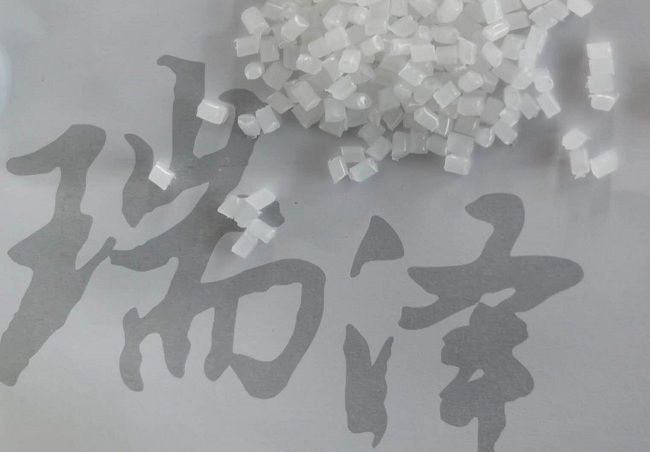
The special masterbatch for meltblown non-woven fabric is a functional modified material specially developed to enhance the comprehensive performance of polypropylene (PP) meltblown non-woven fabric. To meet the strict requirements of the medical protection, air filtration, and industrial wiping industries for the moisture absorption, filtration efficiency, and physical strength of non-woven fabric, we offer three core products: hydrophilic masterbatch, polarized masterbatch, and reinforcing masterbatch. This series of masterbatches uses high-quality polypropylene as the carrier and is refined through an ultra-dispersive process. Without changing the original meltblown production process, it significantly improves the user experience and market competitiveness of the final products.
Core product classification and characteristics of meltblown nonwoven fabric-specific masterbatches:
1. Hydrophilic masterbatch
Mechanism of action: It enables the original hydrophobic PP/PE fibers to maintain long-lasting hydrophilic properties, allowing water vapor to pass through the nonwoven fabric smoothly without getting trapped.
Product characteristics: Fast absorption speed, large absorption capacity, and excellent resistance to rinsing; internal additive design, no need for subsequent immersion treatment, with long-lasting and stable effects.
Application scenarios: Inner layer skin-contact nonwoven fabric for medical masks, surface layer of sanitary napkins/paper diapers, medical dressings, etc.
2. Electrostatic stabilizing masterbatch
Mechanism of action: Contains nano-scale charge-inducing agents, increasing the density and depth of charge-capturing traps in the meltblown nonwoven fabric, enabling the fabric surface to store static electricity and release negative ions for a long time.
Product characteristics: Under the same fiber fineness and weight, effectively reduces the breathing resistance of the nonwoven fabric, significantly improving the electrostatic adsorption efficiency for micrometer-sized particles (such as dust, bacteria, aerosols); high charge retention rate, excellent heat resistance attenuation performance.
Application scenarios: Intermediate filter layer of N95/KN95 masks, FFP2/FFP3 protective masks, high-efficiency air filter cotton (core), medical hygiene materials, etc.
3. Reinforcing masterbatch
Mechanism of action: By adding high-molecular-modifying agents, improving the crystalline structure and molecular chain orientation of meltblown ultra-fine fibers, enhancing the bonding force between fibers.
Product characteristics: Significantly improves the tensile strength and tear resistance of the meltblown nonwoven fabric, reducing the occurrence of broken fibers and fabric surface damage during the production process; resistant to yellowing and aging, and does not affect the softness and breathability of the fabric surface.
Application scenarios: Industrial wiping cloth, high-weight meltblown filtration materials, high-strength medical protective clothing, etc.
Processing technology and precautions for meltblown non-woven fabric-specific masterbatch:
Mixing method: To ensure the uniform dispersion of functional additives, it is recommended to fully dry-mix the masterbatch with the PP base slice in a high-speed mixer before putting it into production. Avoid using a metering pump to feed alone, as this may lead to uneven results.
Process compatibility: No new equipment needs to be purchased or significant adjustments to the existing meltblown production process are required. Only a slight adjustment of the extrusion temperature based on the characteristics of the masterbatch is needed for normal production.
Addition ratio: The recommended addition ratio for hydrophilic masterbatch is 3%-6%; for permanent magnet masterbatch, it is 1%-3%; for reinforcing masterbatch, it is 1%-3% (the specific ratio can be adjusted based on the performance requirements of the end product).
Yancheng Ruize Masterbatch Co., Ltd. was founded in 1999. It is a professional manufacturing enterprise engaged in the research, development, and large-scale production of chemical fiber masterbatches, functional masterbatches, nonwoven special masterbatches, film-grade masterbatches, specialty application masterbatches, and modified polypropylene compounds. Relying on core technologies such as wet-process ultrafine grinding and nano-scale dispersion coating, the company’s products feature strong stability, excellent dispersion, and wide application adaptability. They are widely used in chemical fibers, automotive interiors, marine and offshore engineering, medical and healthcare, film products, packaging nonwovens, sports textiles, carpet and building materials, outdoor engineering, rail transit, and engineering plastics, and enjoy strong market recognition and a solid industry reputation.